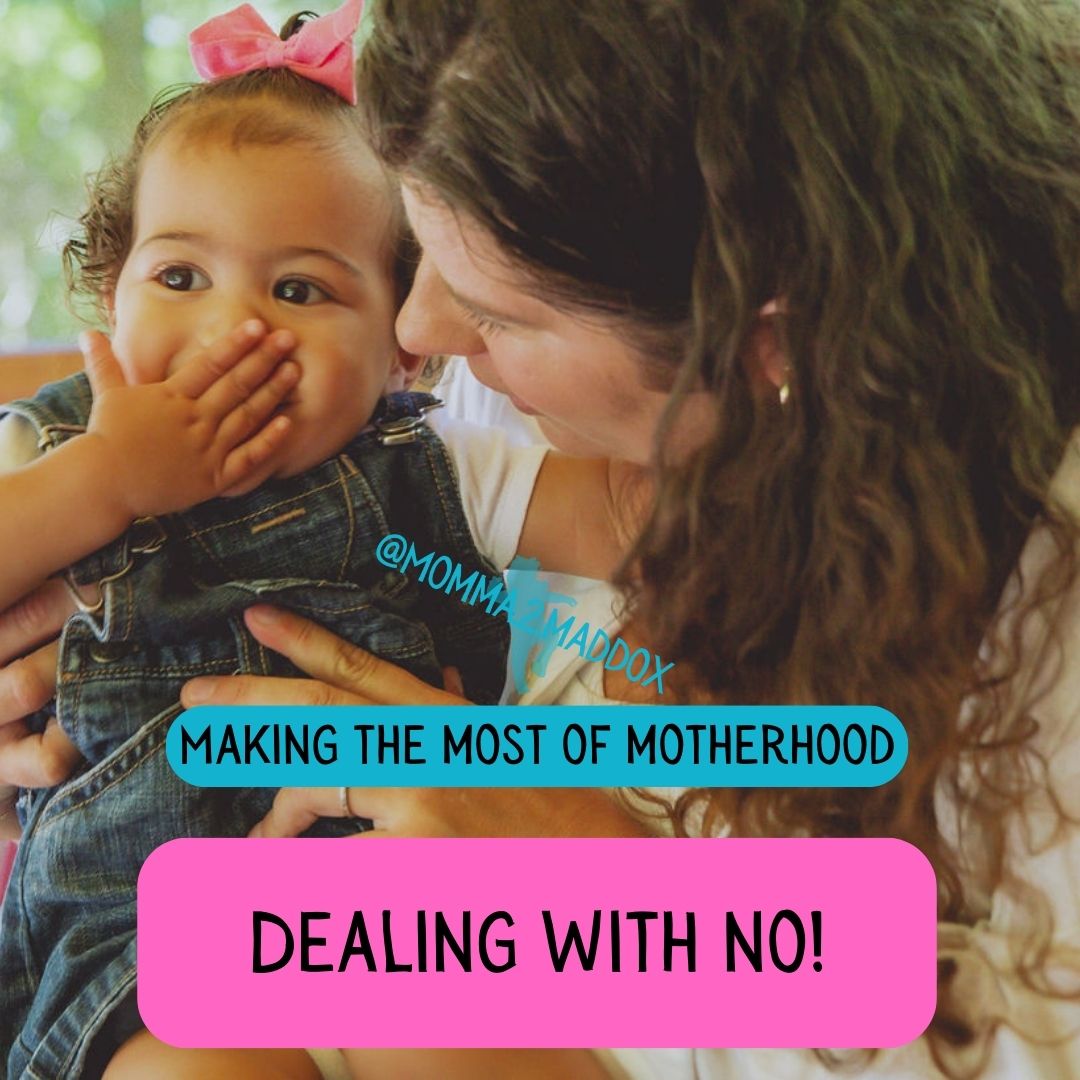
My toddler, like every developing toddler is saying no a whole lot. Fact, toddlers are developing autonomy and independence, learning they have their own will and “power”. While flexing this new autonomy’s muscle they will also start to experiment with lying. Like when you catch them with chocolate in their mouth and you ask if they took any and they say “No!”
Let’s imagine you just want your toddler to clean one activity up before moving on to the next. However, your toddler just wants to do what they want to do. When you say we have to put the puzzle away before we can read together, your toddler lets out a big “No!” Crossed her arms and digs in!
Here’s how to handle it:
- Breathe and think of your expectation– Breathing is our self regulation tool, the tool we lean on to stay emotionally constant. While you’re breathing you’re thinking about how to best approach this refusal. Asking yourself “what is my boundary? What is my nonnegotiable in this moment?”
- Set the boundary warmly and firmly- We don’t need to raise our voice with our children to get them to listen, but we can put the firmness into our voice. Restate your boundary or expectation. Pro tip: try a “first/then” statement. “First, we clean up the puzzle, then we can read books”.
- Wait and offer co-regulation if needed– Offering wait time, sets the tone that we know you can meet the expectation. If your toddler is becoming increasingly upset offer co-regulation. You can tap into those naming and validating skills. Remember an emotionally heightened brain isn’t going to be able to make good decisions.
- Help and model- When my toddler digs her heels in and is just giving me a hard time. I usually offer my help: “It looks like you’re having a hard time cleaning up, mommy will help you.” Then model what ever was refused or offer hand over hand help, which is exactly what it sounds like your hands over their hands guiding your toddler to participate.
- Praise as soon as the behavior changes- Praise is such an important tool for everyone. When we praise we are reinforcing the behavior we want to see more of. If all of our attention is on negative behaviors then we are reinforcing those negative behaviors rather than the great behavior we want to see.
- Stay consistent but considerate- As important as it is to stay consistent, it is also important to remember that your toddler is still learning and growing. They are going to need us to support them in making good choices and doing the right thing. Sometimes that you means you pick them up and co-regulate with them, sometimes it means you take the item away, and sometimes it means you hold firm. You know your child best and you know how to best support them.
If you notice your child is refusing more, start paying attention to how you are reacting. Are you staying consistent or are you too flexible? Are you providing more attention for refusals then when they are doing the right thing?
Toddlers are looking for us to help them develop their autonomy and independence, this is going to come with a lot of “NO’s”. Try these tips and see how they work for you!
 Momma to Maddox